When a supply chain alert lands, the first question is always the same: are we affected? Finding the answer meant someone on our Security Architecture (SecArch) team within IT & Security manually checking repositories until they were reasonably sure nothing was missed. It was slow, it was incomplete, and it was exactly the kind of work our own platform was built to eliminate.
So we built an agent to do it instead that takes a question like "Which of our repositories use the plugin-syntax-async-generators dependency?" and returns a complete, reliable answer in seconds.
Treasure AI (TAI) GitHub organization has hundreds of repositories. When a compromised dependency surfaces, every one of them is potentially in scope. Before this project, the response looked like this: receive the alert, start searching, work through repositories one at a time, compile whatever you found, and hope nothing slipped through. There was no structured way to know when you were done.
It's a common failure mode. Supply chain incidents move fast and the investigation tooling rarely keeps up. We wanted to close that gap using the same AI platform we offer to customers.
The SBOM2TD Agent answers dependency questions in plain English through the Foundry Workspace interface. An engineer opens the interface, types a question, and gets back a list of affected repositories. No SQL, no GitHub searches, no waiting on someone with repository access to run a manual sweep.
To align with strict enterprise security standards, the AI inherits comprehensive Role-Based Access Controls (RBAC), ensuring only authorized personnel can query the workspace. While the agent eliminates the manual toil, human-in-the-loop accountability is maintained; security engineers remain fully responsible for remediation and final decision-making.
The agent's knowledge comes from a continuously refreshed inventory of every dependency across every repository in our GitHub organization, stored securely in our Intelligent CDP. That inventory is what makes the answers complete rather than best-effort.
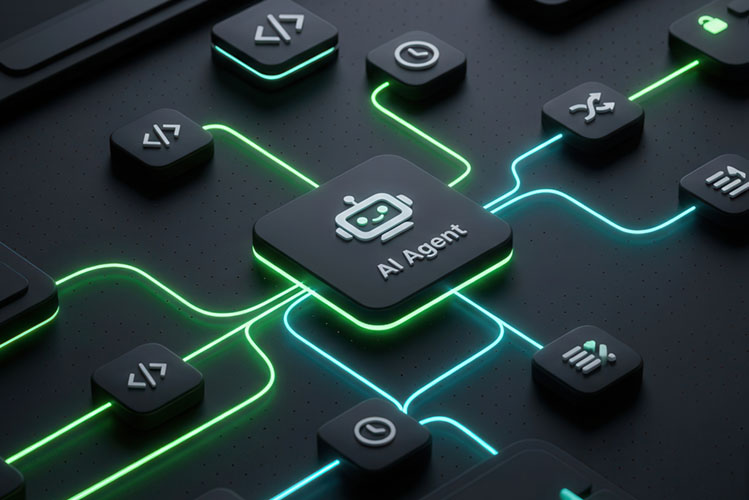
The architecture has four parts, all running on our own Customer Data Platform (CDP).
The operational difference shows up most clearly during an active incident. Before, a security engineer spent hours manually combing through repositories with no guarantee they'd caught everything. Now they open the Foundry Workspace, ask the question, and have a complete answer before they've finished their coffee. This enhanced productivity effectively reduces our Mean Time to Respond (MTTR) by up to 90%.
Outside of incidents, the same agent handles dependency audits, license reviews, and upgrade planning. The knowledge base is already there. The questions just change.
Working through AI Agent Foundry, TAI CDP, and the Foundry Workspace end-to-end gave the team a much clearer picture of how these components actually fit together in production. That kind of hands-on understanding is hard to get any other way.
Supply chain security is a problem every engineering organization is dealing with. If you're thinking about something similar, we hope this gives you a starting point.
Ready to build trustworthy AI agents that eliminate manual toil for your own teams? Discover how you can leverage Treasure AI Agent Foundry today.